River otter eating Stock Photo Biology Diagrams The North American river otter (Lontra canadensis) is a semi-aquatic mustelid endemic to North America, an apex predator, and a sentinel for environmental contamination (Kruuk, 2006; Larivière and Walton, 1998). However, very little is known about the current status, distribution, and ecology of river otters in the San Francisco Bay Area (SFBA). Who Eats River Otters? A Deep Dive into the River Otter Food Web River otters, with their playful antics and sleek bodies, are fascinating creatures that inhabit various aquatic ecosystems across North America and beyond. While these semi-aquatic mammals are adept swimmers and skilled predators themselves, they are not invincible. They face a range of threats from other animals that consider FOOD CHAIN OF A RIVER OTTER DECOMPOSER MAGGOTS PRODUCER FRESH WATER KELP energy transfer energy transfer CONSUMER BASS energy tranfer energy transfer energy transfer
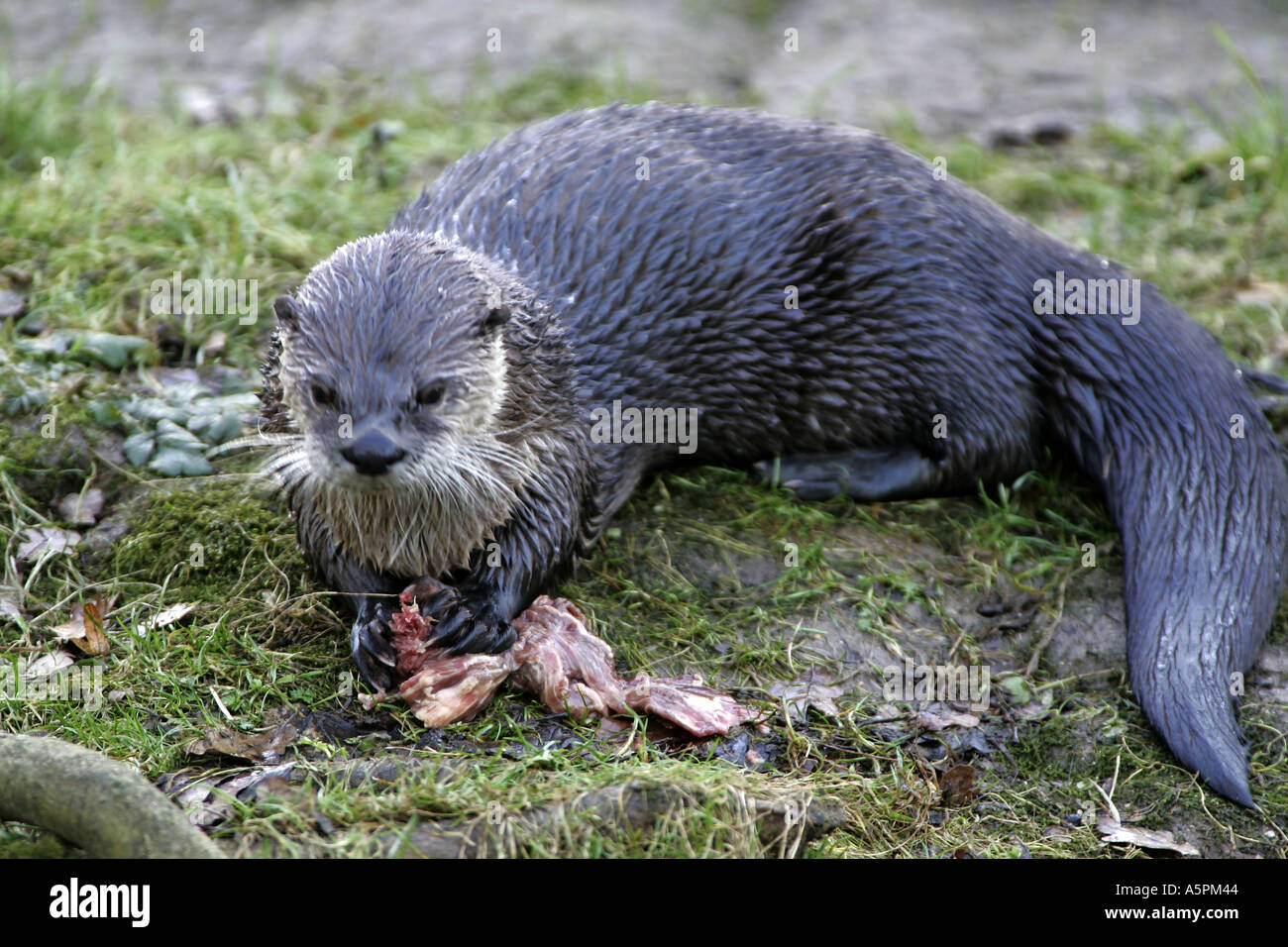
River otters belong to the weasel family. Amphibious, muscular river otters swim gracefully and quickly underwater to catch prey, and they can run on land. The river otter food chain includes many types of fish, mollusks, crustaceans, aquatic plants and roots, eggs, and some small mammals and birds. River otters occupy a fascinating and important niche within their ecosystems. The short answer to where they sit on the food chain is this: River otters are primarily tertiary consumers, often functioning as near-apex predators in their environments.

Where are river otters on the food chain? Biology Diagrams
Impact on amphibian populations: The predation of otters on amphibians can have a significant impact on their populations. This is especially true when otter populations are high in areas with limited amphibian habitats or breeding grounds. The loss of these key species can disrupt ecosystems and lead to cascading effects throughout the food chain. Trophic levels represent where an organism stands in the food chain. There are 4 trophic levels: producer, primary consumer, secondary consumer, and tertiary consumer. A producer is an autotroph like Otters (both sea and river otters) play a notable role in the animal food chain. In their role as predators, otters help regulate the local population of the organisms they consume.
